
Welcome to Trade & Commerce in Arunachal Pradesh
Trade & Commerce in Arunachal Pradesh
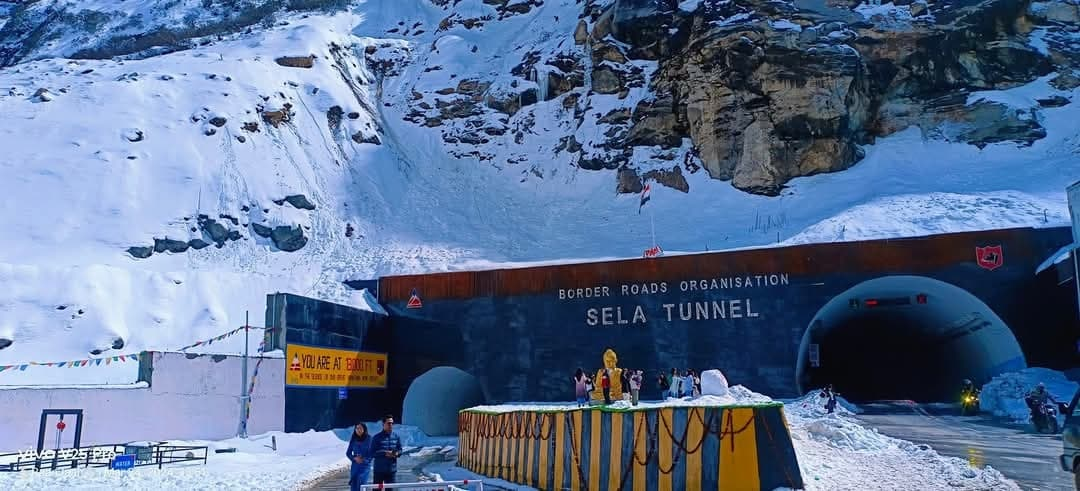
The winds and waters of trade and commerce carry opportunities that drive national and state growth while fostering closer connections between citizens across the world. In essence, expanding trade leads to greater employment, higher incomes, improved products, reduced inflation, and strengthened cooperation over confrontation. Arunachal Pradesh shares international borders with Bhutan to the west, Myanmar to the east, and a disputed boundary with China, as well as domestic borders with Assam and Nagaland to the south.
Leveraging international trade through Myanmar has the potential to bring significant economic prosperity, in alignment with the Government of India’s Act East Policy. Recognizing this potential, the Government of Arunachal Pradesh has accorded the highest priority to the growth of trade and commerce as a key instrument for reducing poverty and unemployment. The Department is committed to Developing state-of-the-art infrastructure for border trade , Promoting trade and commerce within and beyond the state Facilitating exports and improving competitiveness

Shri Pema Khandu
Chief Minister

Shri Nyato Dukam
Hon'ble Minister for Commerce & Industries

Dr. Mohesh Chai
Advisor to Minister, Trade and Commerce
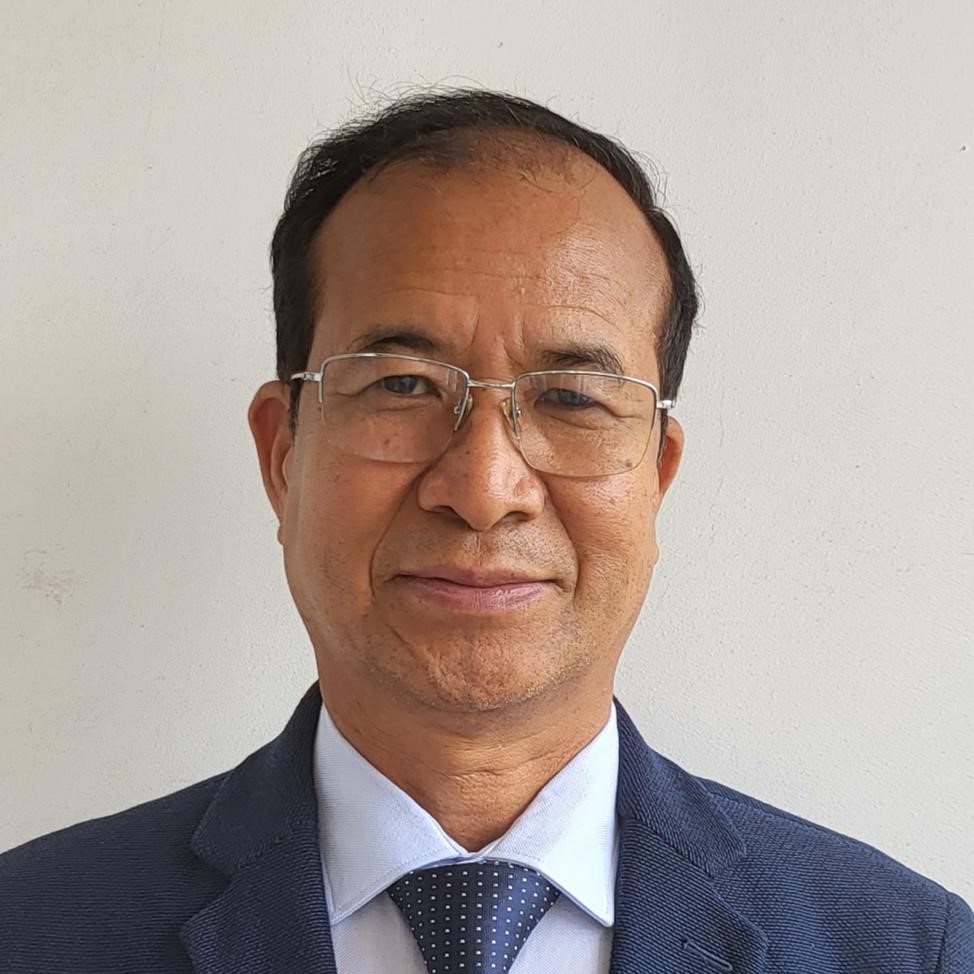
Shri Taru Tulo, IAS
Secretary of Trade and Commerce

Shri Sonyung Modi
Director of Trade and Commerce
Empowering Trades for a brighter future
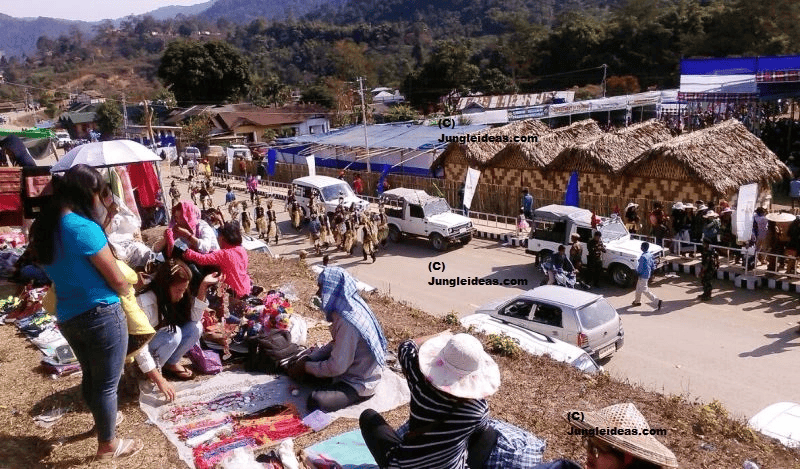
Arunachal Pradesh shares international borders with Bhutan, China, and Myanmar, making it a strategically important state for India’s cross-border trade. For centuries, people living in the frontier regions have engaged in traditional and informal exchanges of agricultural produce, handicrafts, livestock, and essential commodities with their neighbors. These exchanges were not only economic but also cultural, strengthening ties across communities divided by political boundaries.
Mission
Vision

Importants Links
Border Trade
Arunachal Pradesh: Gateway of Border Trade
Arunachal Pradesh, sharing borders with Bhutan, China, and Myanmar, holds strategic importance for India’s cross-border trade. Reviving traditional exchanges disrupted since 1962, the state now advances economic growth, regional integration, and national priorities under Act East Policy through formal agreements, upgraded infrastructure, and expanded market opportunities for farmers, artisans, and traders.